MuleSoft Integration Services Explained: Everything You Need to Know Before Getting Started
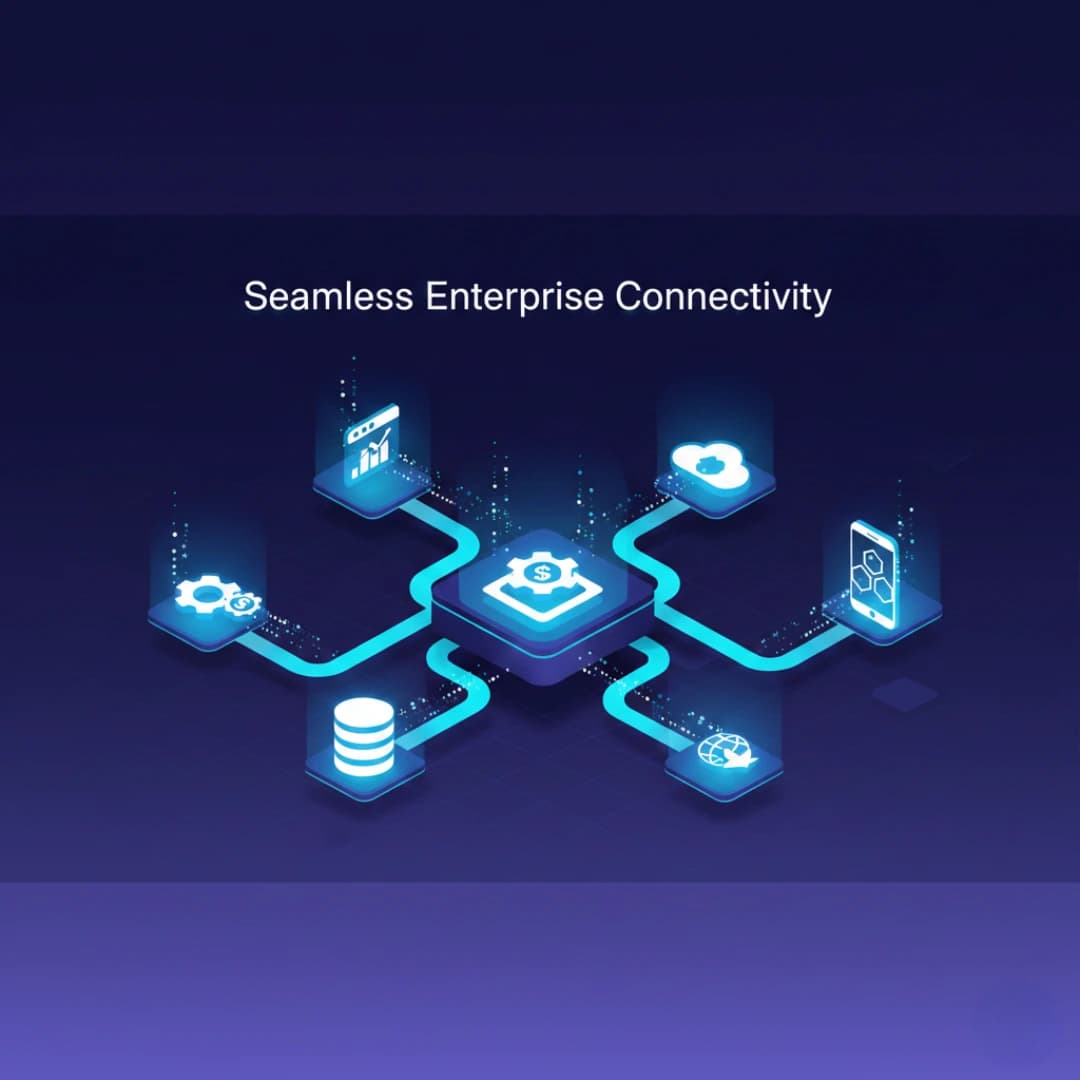
MuleSoft integration services have become essential for businesses seeking seamless connectivity across their digital ecosystem. As enterprises expand their technology stack and adopt multiple cloud platforms, the challenge of connecting disparate systems, applications, and data sources intensifies. Without a robust integration strategy, organizations face data silos, operational inefficiencies, and missed opportunities for digital transformation. This guide explores everything you need to understand about MuleSoft integration services before implementing them in your organization.
Key Takeaways
MuleSoft integration services enable API-led connectivity that connects applications, data, and devices across on-premises and cloud environments, reducing integration time by up to 50%.
The Anypoint Platform provides a comprehensive solution for designing, building, and managing integrations with pre-built connectors for over 300 systems and applications.
Organizations implementing MuleSoft solutions experience improved operational efficiency, faster time-to-market, and enhanced business agility through reusable integration assets.
Understanding MuleSoft Integration Services and Their Core Components
MuleSoft integration services represent a comprehensive approach to connecting enterprise systems through API-led connectivity. At its foundation, MuleSoft provides the Anypoint Platform, a unified integration platform that enables organizations to design, build, deploy, and manage APIs and integrations.
The platform operates on three foundational layers: System APIs that connect to core systems of record, Process APIs that orchestrate data and business logic, and Experience APIs that deliver data in formats optimized for specific consumption channels. This layered architecture allows businesses to build reusable integration components that can be leveraged across multiple projects, significantly reducing development time and costs. Organizations with professional MuleSoft integration services can accelerate their digital initiatives while maintaining flexibility and scalability. The platform includes Design Center for API specification, Runtime Manager for deployment and monitoring, and API Manager for governance and security, creating a complete ecosystem for enterprise integration needs.
Key Benefits of Implementing MuleSoft Integration Solutions
Organizations that adopt MuleSoft solutions experience transformative benefits across their operations. The platform enables faster application delivery, with companies reporting 50-70% reduction in integration development time compared to traditional methods.
The unified platform approach eliminates the complexity of managing multiple point-to-point integrations, reducing technical debt and maintenance overhead. By leveraging pre-built connectors for popular enterprise systems like Salesforce, SAP, Oracle, and ServiceNow, development teams can focus on business logic rather than low-level integration details. Companies implementing API-led connectivity strategies achieve greater business agility and can respond rapidly to market changes. MuleSoft's cloud-native architecture ensures scalability, with the ability to handle millions of transactions while maintaining consistent performance. Additionally, the platform provides comprehensive monitoring, analytics, and troubleshooting capabilities that enhance operational visibility and reduce mean time to resolution for integration issues.
Real-World Impact: Statistics and Success Metrics
According to Forrester Research, organizations using MuleSoft achieve an average ROI of 458% over three years. Key performance indicators show significant improvements:
Development Efficiency: 65% faster API development and deployment cycles
Cost Reduction: 40% decrease in integration maintenance costs
Revenue Impact: 30% increase in revenue from new digital initiatives
System Uptime: 99.9% availability for critical business integrations
Developer Productivity: 3x improvement in developer productivity through reusable components
Essential Prerequisites and Planning Considerations
Before implementing MuleSoft services, organizations must conduct thorough planning and assessment. Start by mapping your existing application landscape and identifying integration points, data flows, and business processes that require connectivity.
Evaluate your current IT infrastructure, including cloud platforms, on-premises systems, and hybrid environments to determine integration requirements. Consider your organization's technical capabilities and whether you need external expertise for implementation. Establish clear objectives for your integration initiative, such as improving customer experience, enabling real-time data access, or supporting digital transformation initiatives. Define governance policies for API development, security standards, and data management practices. Budget for licensing costs, infrastructure requirements, training programs, and potential professional services. Organizations should also assess their team's readiness for adopting API-led connectivity principles and consider establishing a Center of Excellence (CoE) to drive best practices and ensure successful adoption across the enterprise.
Implementation Strategy and Best Practices
Successful MuleSoft implementation requires a structured approach that balances technical excellence with business objectives. Begin with a pilot project that addresses a high-value use case to demonstrate quick wins and build organizational confidence.
Adopt the API-led connectivity methodology by designing System APIs first to establish stable connections to core systems, then building Process APIs to encapsulate business logic, and finally creating Experience APIs optimized for specific channels. Implement proper API governance from the start, including versioning strategies, security policies, and lifecycle management processes. Utilize MuleSoft's DataWeave transformation language to handle complex data mappings and transformations efficiently. Establish comprehensive testing protocols covering unit tests, integration tests, and end-to-end scenarios. Deploy monitoring and alerting mechanisms to ensure proactive issue identification and resolution. Companies partnering with experienced providers offering digital transformation engineering services can accelerate implementation timelines while avoiding common pitfalls. Continuously optimize your integration architecture by monitoring performance metrics, gathering user feedback, and refining APIs based on actual usage patterns and evolving business requirements.
Technical Architecture Decisions
When designing your MuleSoft architecture, consider these critical technical aspects:
Deployment Model: Choose between CloudHub (fully managed), Runtime Fabric (container-based), or on-premises deployment based on your requirements
Security Framework: Implement OAuth 2.0, client enforcement policies, and encryption for data in transit and at rest
High Availability: Design for redundancy with clustered runtime environments and automated failover mechanisms
Performance Optimization: Utilize caching strategies, asynchronous processing, and batch operations for high-volume scenarios
Scalability Planning: Architect for horizontal scaling to accommodate growth in transaction volumes and user adoption
Common Challenges and How to Overcome Them
Organizations implementing MuleSoft integration solutions often encounter several challenges that can impact project success. Addressing these proactively ensures smoother adoption and better outcomes.
Legacy system integration presents complexity due to outdated protocols and limited documentation. Overcome this by creating well-designed System APIs that abstract the complexity and provide standardized interfaces. Skills gaps within development teams can slow adoption; invest in comprehensive training programs and certification paths for your technical staff. Change management resistance from business stakeholders requires clear communication about benefits and early involvement in design decisions. Performance optimization challenges emerge with high-volume integrations; address these through proper sizing, caching strategies, and asynchronous processing patterns. Security and compliance concerns, particularly in regulated industries, necessitate implementing robust authentication, authorization, and audit logging mechanisms from the project's inception. According to Gartner, organizations that invest in proper training and governance reduce implementation risks by 60% and achieve faster time-to-value. Partnering with experienced integration specialists can help navigate these challenges effectively and ensure successful deployment.
Cost Considerations and ROI Analysis
Understanding the financial implications of MuleSoft integration services is crucial for securing stakeholder buy-in and ensuring successful project outcomes. The total cost of ownership includes platform licensing, infrastructure costs, implementation services, training, and ongoing maintenance.
MuleSoft offers flexible licensing models based on core count and includes subscription options that align with different business needs. While initial investment may seem substantial, organizations typically realize significant ROI through reduced development time, lower maintenance costs, improved operational efficiency, and accelerated time-to-market for new initiatives. Calculate ROI by quantifying savings from eliminating point-to-point integrations, reducing custom code maintenance, improving developer productivity, and enabling new revenue streams through improved connectivity. Most enterprises achieve break-even within 12-18 months and continue realizing cumulative benefits over time. Hidden costs to consider include training expenses, potential infrastructure upgrades, and resources required for ongoing governance and optimization.
Future-Proofing Your Integration Strategy
As technology landscapes evolve, ensuring your integration platform remains relevant requires forward-thinking approaches. MuleSoft continuously enhances its platform with innovations in artificial intelligence, machine learning, and automation capabilities.
The platform's RPA integration enables automation of manual processes alongside system integrations, creating comprehensive automation workflows. Emerging capabilities include AI-powered recommendations for API design, automated testing generation, and intelligent monitoring that predicts potential issues before they impact operations. The growing importance of event-driven architectures is supported through MuleSoft's event streaming capabilities, enabling real-time data processing and reactive systems. Organizations should plan for microservices adoption, containerization strategies, and cloud-native patterns that align with modern application architecture trends. Staying informed about MuleSoft's product roadmap and participating in the developer community ensures you can leverage new capabilities as they become available.
Conclusion
MuleSoft integration services represent more than just a technical solution—they're a strategic enabler for digital transformation and business growth. Throughout this guide, we've explored the platform's core capabilities, from API-led connectivity architecture to implementation best practices and cost considerations. The evidence is clear: organizations that adopt mulesoft integration services experience substantial ROI, with faster development cycles, reduced maintenance costs, and enhanced operational efficiency that drives competitive advantage.
Success with MuleSoft requires careful planning, proper skill development, and a commitment to API-led connectivity principles. Whether you're integrating legacy systems, building new digital experiences, or modernizing your entire technology infrastructure, MuleSoft provides the foundation for scalable, secure, and sustainable integration solutions. The key is to start with a clear strategy, focus on high-value use cases, and leverage experienced partners who understand both the technology and your business objectives.
As you move forward with your integration initiative, remember that MuleSoft integration services are an investment in your organization's future agility and innovation capacity. Take the first step today by assessing your current integration landscape, identifying critical connectivity gaps, and developing a roadmap that aligns with your business goals. With over 20 years of experience in delivering enterprise integration solutions, IdeaGCS can help you navigate your MuleSoft journey from initial planning through successful implementation and beyond. Contact our team to discover how we can transform your integration challenges into competitive advantages.
Frequently Asked Questions
What are MuleSoft integration services?

MuleSoft integration services are enterprise solutions that connect applications, data sources, and devices through API-led connectivity. They enable seamless data exchange across cloud and on-premises systems, reducing integration complexity and accelerating digital transformation initiatives for businesses of all sizes.
How much does MuleSoft implementation cost?
MuleSoft costs vary based on core count, deployment model, and enterprise requirements. Typical implementations range from $50,000 to $500,000 annually, including licensing, infrastructure, and services. Most organizations achieve ROI within 12-18 months through reduced development time and improved operational efficiency.
How long does it take to implement MuleSoft?
MuleSoft implementation timelines range from 3-6 months for pilot projects to 12-18 months for enterprise-wide deployments. Timeline depends on integration complexity, existing infrastructure, and team readiness. Organizations with experienced DevOps automation services can accelerate deployment significantly.
What is the difference between MuleSoft and traditional integration tools?
MuleSoft offers API-led connectivity versus point-to-point integration, enabling reusable components and faster development. Unlike traditional ESBs, MuleSoft provides cloud-native architecture, pre-built connectors for 300+ systems, and comprehensive API management capabilities that support modern microservices and digital transformation strategies.
Do I need MuleSoft developers or can my existing team learn it?
Existing developers with Java, API, or integration experience can learn MuleSoft through certification programs and training courses. However, skilled MuleSoft developers accelerate implementation and ensure best practices, especially for complex enterprise integrations.
Can MuleSoft integrate with legacy systems?
Yes, MuleSoft excels at legacy system integration through built-in connectors for mainframes, databases, and older protocols. The platform abstracts legacy complexity behind modern APIs, enabling gradual modernization without disrupting existing operations while supporting application modernization initiatives.
Is MuleSoft suitable for small and medium-sized businesses?
MuleSoft serves businesses of all sizes, though it's typically more cost-effective for mid-size to large enterprises with complex integration needs. Small businesses with 10+ integration points and growth plans benefit from MuleSoft's scalability and efficiency gains that justify the investment.
What security features does MuleSoft provide?
MuleSoft provides enterprise-grade security including OAuth 2.0, SAML authentication, API throttling, IP whitelisting, and end-to-end encryption. The platform supports compliance with GDPR, HIPAA, and SOC 2 standards, with comprehensive audit logging and role-based access control for secure integration environments.
How does MuleSoft support cloud migration strategies?
MuleSoft facilitates cloud migration by providing connectors for AWS, Azure, and Google Cloud platforms. Organizations can use hybrid cloud services to gradually migrate workloads while maintaining connectivity between on-premises and cloud systems, ensuring business continuity throughout the transition.
What ongoing maintenance does MuleSoft require?
MuleSoft requires regular monitoring, API versioning, security updates, and performance optimization. Organizations need dedicated resources for managing deployments, troubleshooting issues, and implementing new integrations. CloudHub managed services reduce infrastructure maintenance, allowing teams to focus on business logic and innovation.
Contact Us
Share on Social Media
Contact Us