Digital Transformation in Banking and Finance: Trends Reshaping the Industry in 2026
Introduction
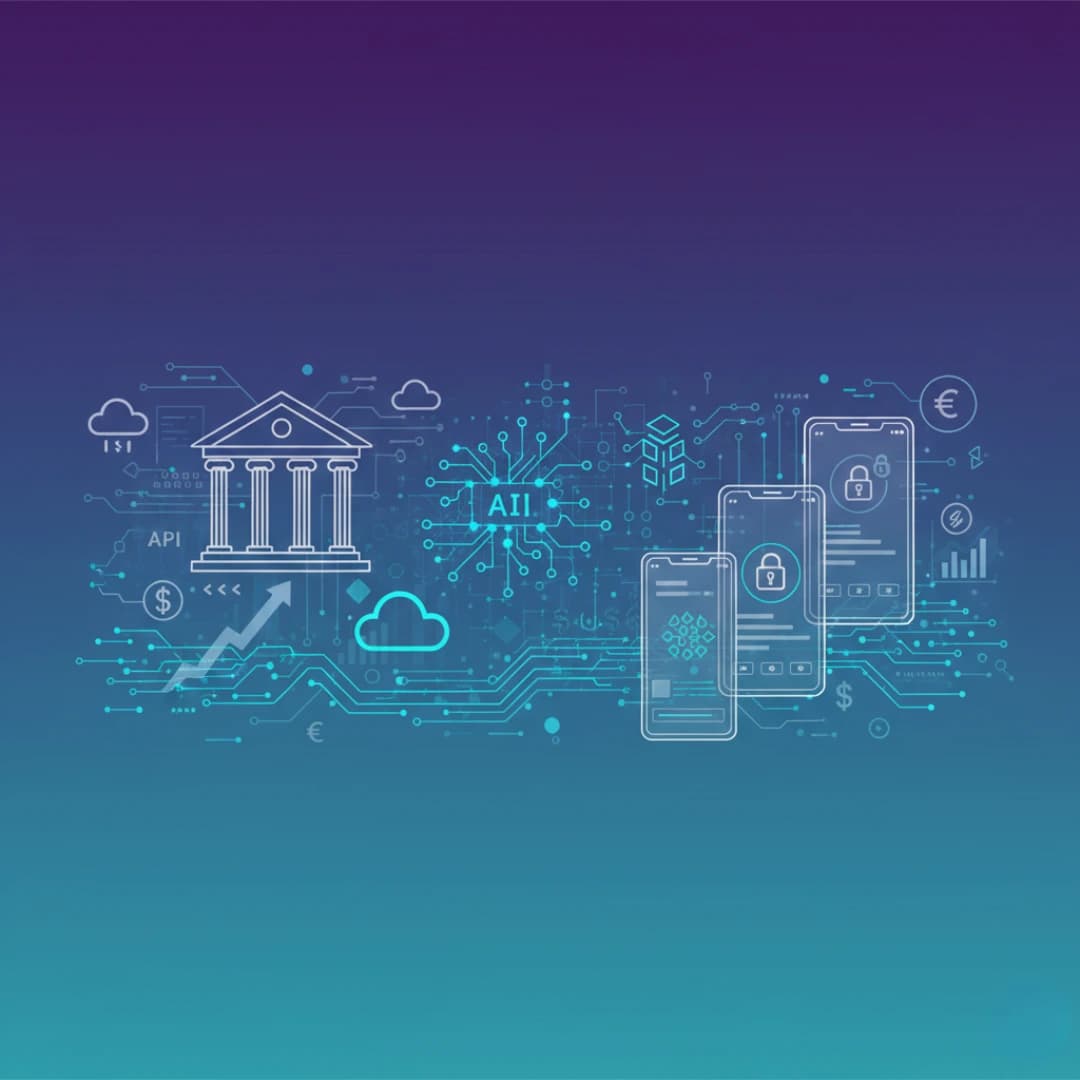
Digital transformation in banking and financial services has evolved from a competitive advantage to an absolute necessity in 2026. Financial institutions worldwide are rapidly adopting advanced technologies to meet rising customer expectations, comply with stringent regulations, and maintain operational efficiency in an increasingly digital economy. As traditional banking models give way to innovative digital ecosystems, organizations that embrace transformation are positioning themselves for sustainable growth while those that resist face potential obsolescence. This comprehensive guide explores the key trends reshaping the banking and finance industry, offering insights into how institutions can successfully navigate this transformative landscape.
Key Takeaways
AI and machine learning are revolutionizing risk assessment, fraud detection, and personalized customer experiences across financial services
Cloud-native architectures enable banks to scale operations, reduce infrastructure costs, and accelerate innovation cycles
Open banking and API ecosystems are creating new revenue streams and collaborative opportunities between traditional banks and fintech innovators
Enhanced cybersecurity measures incorporating zero-trust frameworks are essential for protecting sensitive financial data against evolving threats
Regulatory technology (RegTech) solutions are streamlining compliance processes and reducing operational overhead
The Rise of AI-Powered Banking Operations
Artificial intelligence has moved beyond experimental phases to become the backbone of modern banking operations. Financial institutions are leveraging AI to transform everything from customer service to complex risk assessment models, creating more efficient and responsive banking experiences.
Machine learning algorithms now analyze millions of transactions in real-time, identifying fraudulent activities with unprecedented accuracy rates exceeding 95%. Major banks have reported fraud reduction rates of up to 60% after implementing AI-powered detection systems. Beyond security, AI-driven chatbots and virtual assistants handle over 80% of routine customer inquiries, freeing human agents to focus on complex, high-value interactions. Investment firms use predictive analytics to optimize portfolio management, while retail banks deploy AI for credit scoring that considers thousands of data points beyond traditional metrics. This technology doesn't just automate existing processes—it fundamentally reimagines how financial services operate, delivering personalized experiences at scale while significantly reducing operational costs.
Cloud Computing: The Foundation of Financial Agility
Cloud technology has emerged as the critical infrastructure enabling banks to respond quickly to market changes and customer demands. Financial institutions adopting hybrid cloud services can seamlessly integrate legacy systems with modern applications, ensuring business continuity while driving innovation.
The shift to cloud-native architectures allows banks to scale computing resources dynamically based on demand, eliminating the need for expensive, underutilized data centers. Leading financial institutions report 40% reductions in infrastructure costs and 70% faster time-to-market for new products after cloud migration. Beyond cost savings, cloud platforms provide the computational power necessary for running sophisticated AI models, processing big data analytics, and supporting millions of concurrent users during peak transaction periods. Security concerns that once hindered cloud adoption have been addressed through advanced encryption, multi-factor authentication, and compliance certifications specifically designed for financial services. Banks partnering with experienced digital transformation services providers can navigate this transition effectively, implementing robust cloud strategies that balance innovation with regulatory requirements.
Open Banking and API-Led Connectivity
The open banking revolution continues to reshape competitive dynamics within the financial sector, with API-led connectivity enabling unprecedented collaboration between traditional institutions and innovative fintech companies. This shift from closed systems to open ecosystems represents one of the most significant structural changes in modern banking history.
Through secure APIs, banks now share customer data (with explicit consent) with third-party providers, enabling innovative services like account aggregation, automated financial planning, and seamless payment solutions. The global open banking market is projected to exceed $57 billion by 2026, driven by regulatory mandates and consumer demand for integrated financial experiences. Banks implementing API-led connectivity frameworks can rapidly launch new services, integrate with partner ecosystems, and create additional revenue streams without massive infrastructure investments. Financial institutions that viewed fintech companies as threats are now collaborating with them, recognizing that strategic partnerships accelerate innovation while reducing development costs. This collaborative approach allows traditional banks to maintain customer relationships while leveraging specialized fintech capabilities in areas like cryptocurrency trading, micro-investing, and alternative lending.
Blockchain and Distributed Ledger Technology
Blockchain technology has matured beyond cryptocurrency speculation to become a practical solution for numerous banking challenges, particularly in cross-border payments, trade finance, and securities settlement. The transparency, immutability, and decentralization inherent in blockchain offer compelling advantages for financial transactions.
Cross-border payments, which traditionally take 3-5 business days and incur significant fees, can now be completed in minutes using blockchain-based systems. Several major banks have successfully implemented blockchain networks for international settlements, reducing transaction costs by up to 40% while improving transparency and reducing reconciliation errors. Smart contracts automate complex financial agreements, eliminating intermediaries and reducing processing time for trade finance transactions from weeks to hours. In securities trading, blockchain enables near-instantaneous settlement, reducing counterparty risk and freeing up billions in capital currently locked in settlement processes. While regulatory frameworks are still evolving, forward-thinking financial institutions are investing in blockchain infrastructure, recognizing its potential to fundamentally transform core banking operations over the next decade.
Enhanced Cybersecurity Through Zero-Trust Architecture
As digital transformation accelerates, cybersecurity has become the cornerstone of banking operations, with financial institutions adopting zero-trust frameworks that assume no user or system should be automatically trusted. This paradigm shift is essential given the sophisticated nature of modern cyber threats targeting financial data.
Traditional perimeter-based security models have proven inadequate against advanced persistent threats and insider attacks. Zero-trust architecture implements continuous verification at every access point, requiring authentication and authorization for every transaction regardless of user location or device. Banks implementing these frameworks report 70% reductions in security incidents and significantly faster threat detection times. Multi-factor authentication, biometric verification, and behavioral analytics work together to create multiple security layers without compromising user experience. Financial institutions must also address the expanded attack surface created by cloud adoption, mobile banking, and API integrations. Working with experienced technology transformation services teams ensures comprehensive security strategies that protect customer data while enabling digital innovation.
Regulatory Technology (RegTech) Revolution
Compliance has traditionally been one of the most resource-intensive aspects of banking operations, but regulatory technology is transforming how institutions manage compliance obligations. RegTech solutions leverage automation, AI, and data analytics to streamline compliance processes, reduce costs, and minimize regulatory risk.
Financial institutions spend billions annually on compliance, with large banks employing thousands of compliance officers to manage ever-changing regulations. RegTech platforms automate know-your-customer (KYC) verification, transaction monitoring, and regulatory reporting, reducing compliance costs by up to 50% while improving accuracy. Real-time monitoring systems flag suspicious activities instantly, ensuring timely reporting to regulatory authorities and reducing the risk of substantial fines. As regulations become more complex and jurisdictionally diverse, RegTech solutions provide the scalability and adaptability necessary for managing compliance across multiple markets. These technologies also enable banks to shift from reactive compliance to proactive risk management, identifying potential issues before they escalate into regulatory violations.
Data Analytics and Personalized Banking Experiences
Big data analytics has transformed how banks understand and serve their customers, enabling highly personalized experiences that were impossible just a few years ago. Financial institutions now collect and analyze vast amounts of customer data to deliver tailored products, services, and recommendations.
Advanced analytics platforms process transaction histories, browsing behavior, demographic information, and external data sources to create comprehensive customer profiles. Banks use these insights to offer personalized product recommendations, optimized interest rates, and proactive financial advice—all delivered through customers' preferred channels. Predictive models identify customers likely to need specific services, such as mortgage refinancing or investment opportunities, enabling proactive outreach that feels helpful rather than intrusive. This data-driven approach not only improves customer satisfaction but also significantly increases cross-selling success rates and customer lifetime value. However, banks must balance personalization with privacy concerns, implementing transparent data usage policies and giving customers control over their information.
Mobile-First Banking and Super Apps
Mobile banking has evolved from a convenient add-on to the primary channel through which most customers interact with their financial institutions. In 2026, mobile-first strategies are essential, with many banks redesigning their entire service delivery around mobile experiences.
The super app phenomenon, where single applications provide comprehensive financial and lifestyle services, is reshaping customer expectations. These platforms integrate banking, payments, investments, insurance, and even non-financial services like shopping and transportation into unified experiences. Banks that successfully implement mobile-first strategies report dramatic increases in customer engagement, with users accessing their accounts an average of 10-15 times per week compared to monthly branch visits in traditional models. Mobile platforms also enable innovative services like instant peer-to-peer payments, mobile check deposits, and real-time spending analytics. Financial institutions partnering with specialized it transformation services providers can develop robust mobile architectures that deliver seamless experiences across devices while maintaining security and compliance standards.
The Human Element: Workforce Transformation
While technology drives digital transformation, successful implementation ultimately depends on people. Banks must invest in workforce development, helping employees adapt to new roles that emphasize strategic thinking, customer relationship management, and technology collaboration rather than transactional processing.
The shift to digital channels has fundamentally altered banking roles, with routine tasks automated and staff redeployed to advisory and problem-solving functions. Forward-thinking institutions are implementing comprehensive training programs to upskill existing employees, ensuring they can effectively utilize new technologies and deliver value in digitally-enhanced environments. This human-centered approach to transformation reduces resistance to change, improves employee satisfaction, and ensures that technology augments rather than replaces human expertise. Banks are also recruiting new talent with data science, UX design, and software development skills, creating multidisciplinary teams that bridge traditional banking knowledge with digital capabilities.
Conclusion
Digital transformation in banking and financial services represents a fundamental shift in how financial institutions operate, compete, and create value for customers. The trends shaping 2026—from AI-powered operations and cloud computing to open banking and enhanced cybersecurity—are not isolated initiatives but interconnected elements of comprehensive transformation strategies. Financial institutions that successfully navigate this landscape will be those that embrace change holistically, investing in technology, people, and processes simultaneously.
The competitive advantages of digital transformation extend beyond operational efficiency to encompass improved customer experiences, new revenue opportunities, and enhanced risk management. However, transformation journeys require careful planning, robust execution, and ongoing adaptation to evolving technologies and customer expectations. Banks seeking to accelerate their digital initiatives should partner with experienced professionals who understand both financial services requirements and emerging technologies.
IdeaGCS, with over 20 years of experience delivering next-generation IT solutions, helps financial institutions successfully implement digital transformation strategies that drive measurable business outcomes. Our comprehensive approach addresses technology infrastructure, regulatory compliance, and organizational change management, ensuring that transformation initiatives deliver lasting value. Contact our team today to discover how we can support your institution's digital transformation journey and position your organization for sustained success in the evolving financial services landscape.
Frequently Asked Questions
What is digital transformation in banking and financial services?

Digital transformation in banking and financial services refers to the comprehensive integration of digital technologies into all aspects of financial operations, fundamentally changing how institutions deliver value to customers. This transformation encompasses cloud computing, artificial intelligence, automation, and data analytics to improve efficiency, enhance customer experiences, and create new business models. Choosing the right digital transformation services provider is crucial for successful implementation.
How is AI transforming the banking industry in 2026?
AI is revolutionizing banking through intelligent fraud detection, personalized customer experiences, automated risk assessment, and conversational chatbots that handle customer inquiries. Machine learning algorithms analyze transaction patterns in real-time, achieving fraud detection accuracy rates exceeding 95% while reducing operational costs and enabling banks to offer hyper-personalized financial products and services based on individual customer behavior and needs.
Why are banks moving to cloud-based infrastructure?
Banks are adopting cloud infrastructure to achieve greater operational agility, reduce IT costs, and accelerate innovation cycles. Cloud platforms enable financial institutions to scale resources dynamically, process massive datasets for AI applications, and deploy new services 70% faster than traditional infrastructure allows. Hybrid cloud services provide the perfect balance of flexibility, security, and compliance required for financial data.
What is open banking and how does it benefit customers?
Open banking allows customers to securely share their financial data with authorized third-party providers through APIs, enabling innovative services like account aggregation, automated budgeting, and seamless payment solutions. This ecosystem creates more competitive financial services, better interest rates, personalized recommendations, and integrated experiences that give customers greater control over their financial lives across multiple platforms.
How does blockchain technology improve banking operations?
Blockchain technology enhances banking through faster cross-border payments, reduced transaction costs, improved transparency, and automated smart contracts. Financial institutions using blockchain complete international settlements in minutes rather than days, reducing costs by up to 40% while eliminating reconciliation errors and enabling near-instantaneous securities settlement that frees up billions in capital.
What cybersecurity measures are banks implementing in 2026?
Banks are implementing zero-trust security architectures, multi-factor authentication, biometric verification, and AI-powered threat detection systems. This comprehensive approach assumes no user or system is automatically trusted, requiring continuous verification at every access point, reducing security incidents by 70%, and protecting against sophisticated cyber threats while maintaining seamless user experiences across digital channels.
How does RegTech help banks with compliance?
Regulatory technology (RegTech) automates compliance processes including KYC verification, transaction monitoring, and regulatory reporting, reducing compliance costs by up to 50%. These AI-powered solutions provide real-time monitoring, flag suspicious activities instantly, and ensure timely regulatory reporting. DevOps automation services further enhance operational efficiency by streamlining compliance workflows and reducing manual overhead.
What are the biggest challenges in banking digital transformation?
Major challenges include legacy system integration, cybersecurity risks, regulatory compliance complexity, workforce skill gaps, and organizational resistance to change. Financial institutions must balance innovation speed with risk management, invest in employee training, ensure data privacy, maintain business continuity during transitions, and allocate sufficient resources for comprehensive transformation initiatives that address technology, processes, and culture simultaneously.
How is mobile banking evolving beyond simple transactions?
Mobile banking has evolved into comprehensive super apps offering integrated financial and lifestyle services including payments, investments, insurance, and shopping within single platforms. These applications provide real-time spending analytics, instant peer-to-peer payments, mobile check deposits, and personalized financial advice. Application modernization services enable banks to build these advanced mobile experiences with seamless cross-device functionality.
What role does data analytics play in modern banking?
Data analytics enables banks to create comprehensive customer profiles, deliver personalized product recommendations, predict customer needs, optimize pricing strategies, and provide proactive financial advice. Advanced analytics platforms process transaction histories, demographic data, and external sources to improve customer satisfaction, increase cross-selling success rates, enhance risk assessment accuracy, and significantly boost customer lifetime value through targeted engagement.
Contact Us
Share on Social Media
Contact Us